Is Remote Computer Repair Safe? Understanding Security Measures for Secure Online Tech Support
Remote computer repair is a method where a certified technician accesses your device over the internet to diagnose and fix software, configuration, or network issues without visiting in person. In many cases remote repair is safe when providers use strong encryption, strict technician vetting, and transparent session controls; however, safety depends on those safeguards and user vigilance. This article explains the technical protections that make secure online tech support viable, practical steps to avoid scams, the controls users retain during a session, and which problems can be resolved remotely versus those that require on-site work. You will learn how encryption and authentication protect data in transit, what red flags indicate fraudulent support, how to monitor and terminate access, and realistic limitations of remote fixes. Throughout we reference common best practices and show how reputable services implement them, using mcHelper.com as an example of a provider that emphasizes fast, secure, and reliable 24/7 remote support. By the end you’ll know the questions to ask any remote tech and the exact actions to stay safe during a support session.
How Does Remote Computer Repair Ensure Data Privacy and Security?
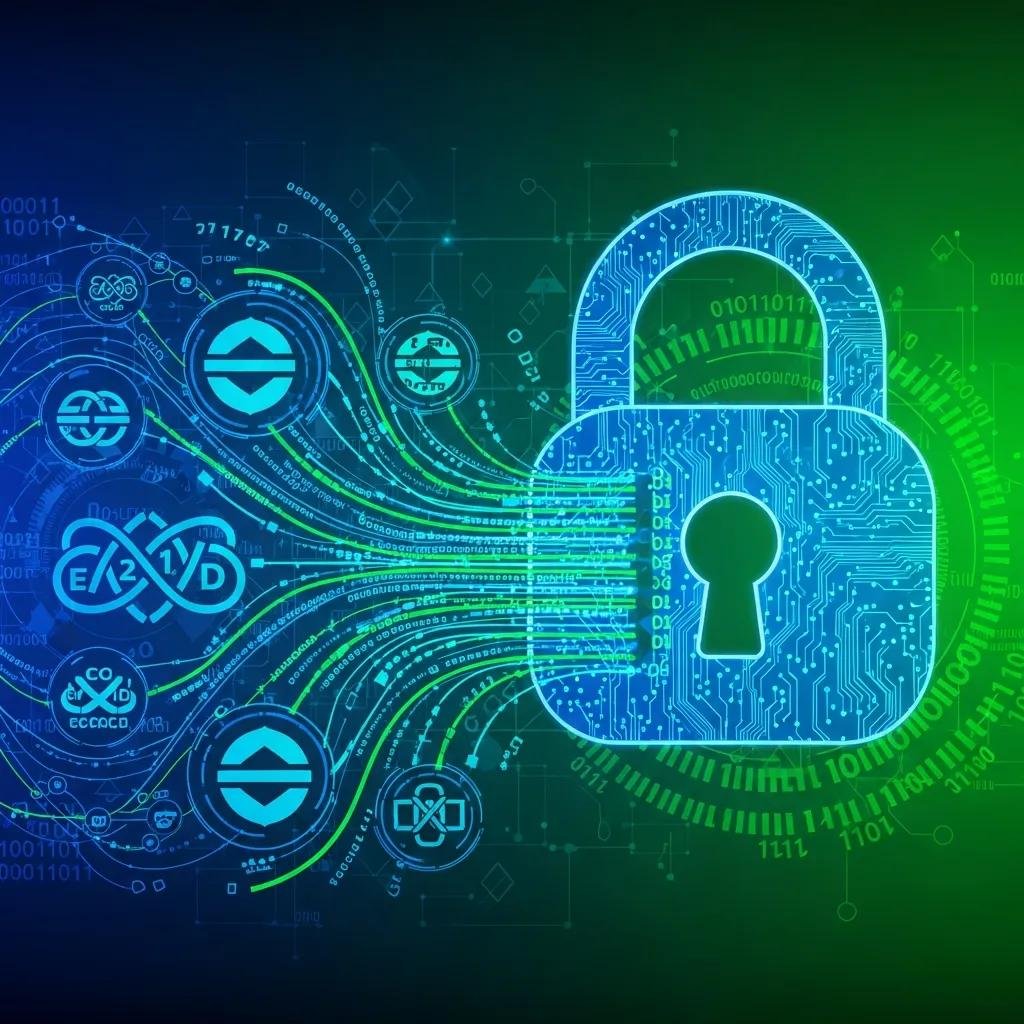
Secure remote repair combines encrypted channels, authenticated technicians, minimal-access session tools, and transparent session logs to protect data and privacy. Encryption prevents eavesdropping; authentication confirms the technician’s identity; zero-footprint or temporary tools avoid leaving persistent software; and session logs provide an audit trail after the visit. Below are the primary technical pillars most secure remote support services implement and what they accomplish.
- End-to-end encryption secures screen and input data against interception.
- Strong authentication proves the technician’s identity before access is granted.
- Temporary, permissioned tools limit exposure and are removed after the session.
This set of protections reduces exposure during remote access and sets the stage for actionable specifics like encryption standards and provider vetting described next.
What Encryption Standards Protect Your Remote Support Sessions?
Encryption protocols like TLS and strong symmetric ciphers such as AES-256 protect data in transit during remote sessions by encrypting screen images, file transfers, and command streams. Transport-level encryption secures the channel between endpoints, while end-to-end encryption ensures only the user and technician can decrypt session content. Practical takeaways include asking whether a provider uses modern TLS versions, AES-256 for session payloads, and whether file transfers are individually encrypted. Verifying these elements provides confidence that session data and credentials are not exposed to intermediaries and that secure screen sharing is implemented responsibly.
Before the following compact reference table, note that each tool or protocol plays a distinct role in protecting session confidentiality and integrity.
| Tool / Protocol | What it Protects | Typical Implementation / Benefit |
|---|---|---|
| TLS (Transport Layer Security) | Data in transit (screen, commands) | Secures the channel; prevents network eavesdropping |
| AES-256 (symmetric cipher) | Session payloads and file transfers | Strong encryption for bulk data; widely supported |
| End-to-end encryption model | Only endpoints read session data | Prevents intermediary access; higher privacy guarantee |
This table highlights how layered encryption and protocols work together to keep remote support sessions private and resilient to interception. Understanding this relationship helps when assessing a provider’s technical claims.
How Does mcHelper.com Vet Technicians for Secure Service?
mcHelper.com positions its service around certified, 24/7 technicians and policies that promote secure remote access and reliable outcomes. In practice, reputable providers reduce risk through background screening, certification requirements, and routine training focused on secure remote procedures and privacy controls. Ask a provider how they verify technician identity at session start and whether technicians follow documented session protocols.
- mcHelper.com emphasizes certified technicians and continuous availability as part of its core offering.
- Verification steps typically include technician credential checks and live identity confirmation before granting access.
- Customers are encouraged to confirm the technician’s name and session code and to observe access prompts during the connection.
These vetting and verification steps make it easier for users to trust the remote session while retaining the ability to revoke access if anything appears suspicious, which is explored in subsequent sections.
What Are the Common Risks and How Can You Avoid Remote Computer Repair Scams?
Remote repair scams often rely on unsolicited contact, pressure for immediate payment, or requests for unrestricted administrative access. The principal risks are social-engineering attacks, credential theft during lax sessions, and fake support claims that lead to payment or data exposure. Prevention centers on verifying the provider, limiting permissions, using multi-factor authentication for sensitive accounts, and keeping backups to minimize impact.
Common protective actions include verifying credentials, insisting on session codes, using payment methods that provide buyer protection, and terminating access at any suspicious sign. Below is a compact table mapping typical scam types to how they operate and the immediate user action to avoid harm.
| Scam Type | How it Works | Immediate Action to Avoid |
|---|---|---|
| Unsolicited “support” call | Claims an urgent problem and requests remote access | Decline, verify provider through independent contact channels |
| Upfront payment demand | Requires payment before diagnosis or fix | Refuse payment; request documented diagnosis and escrow options |
| Fake software/tools | Installs persistent malicious utilities | End session, disconnect internet, run local antivirus scan |
What Are the Warning Signs of Remote Repair Scams?
Warning signs include unexpected phone or pop-up contact claiming your system is compromised, aggressive pressure to grant full administrative rights immediately, and demands for payment before a diagnosis. Other red flags are technicians who refuse to provide verifiable credentials, lack of a session code or audit log, and requests to disable security software. If you encounter these behaviors, stop the session and verify the provider independently.
- Unsolicited alerts or calls that demand immediate action are suspect.
- Requests to disable antivirus or provide full disk access without clear justification are unsafe.
- No verifiable contact information or refusal to show technician credentials should trigger termination of the session.
Recognizing these signs helps prevent scams and sets expectations for safe session behavior described in the next section.
How Does mcHelper.com Protect Customers from Fraudulent Activities?
mcHelper.com applies consumer-focused policies intended to reduce fraud risk, combining clear service guarantees with verification practices and remediation options. Their publicly stated protections include a “no fix – no fee” promise and 24/7 certified technicians, which reduce pressure for upfront payment and provide continuous access to vetted staff. Users should pair provider safeguards with cautious payment methods and insist on session logs for post-session review.
- mcHelper.com’s “no fix – no fee” policy reduces incentive for fraudulent upfront payments.
- Secure verification and certified technician availability support trustworthy engagements.
- Customers are advised to confirm identity, use secure payment channels, and request session records.
These combined provider policies and user actions create a layered defence against fraudulent remote repair activity.
What Control Do Users Have During Remote Computer Repair Sessions?
Users retain significant control during secure remote sessions: they grant explicit permissions, can observe all activity, restrict the technician to specific tasks, and terminate access instantly. Good providers enforce permissioned tools that require user approval for elevated actions, and transparent session logs let users review what occurred after the visit. Maintaining control begins with clear scope setting and active monitoring during the session.
Here are practical, immediate controls most users can exercise to keep sessions limited and safe.
- Monitor visually: Watch on-screen actions and confirm every requested change.
- Limit scope: Grant file transfer or admin privileges only when necessary and revoke afterward.
- Terminate quickly: Use the session tool’s disconnect button or kill the remote process to end access immediately.
These steps give users operational control in real time and lead into how to implement those actions step-by-step.
How Can You Monitor and Terminate Remote Access in Real Time?
Monitoring begins by observing cursor movement, window changes, and confirmation dialogs; any unexplained activity is grounds to pause or end the session. Termination is immediate: close the session window, end the remote tool process, or disconnect the network to stop access. After termination, remove any temporary agents and review session logs to confirm cleanup and actions taken.
- Watch for unexpected file transfers, credential prompts, or attempts to disable security.
- Use explicit verbal confirmation for each task before permitting elevated access.
- Immediately revoke permissions and remove temporary tools once the job is done.
Prompt termination and cleanup limit attack surface and prepare you for the post-session checks described next.
What Privacy Policies Govern Data Handling During Repairs?
A trustworthy privacy policy states how session data is collected, retained, and deleted, whether session logs are stored, and whether a provider claims zero-footprint tools that are removed after the session. Look for explicit statements about encryption, limited data access, retention periods for logs, and customer rights to request deletion. Transparency around these items demonstrates a provider’s commitment to data protection.
- Expect clear disclosures about encryption, log retention, and data deletion.
- Zero-footprint claims mean temporary tools are removed after the session; confirm this in writing.
- Ask for session records and an explanation of what’s stored and for how long.
Knowing what to expect in privacy policies makes it easier to choose secure remote support options covered in the next section.
What Can Remote Computer Repair Fix and What Are Its Limitations?
Remote repair excels at software, configuration, and network troubleshooting: virus removal, performance optimization, driver updates, OS configuration, and VPN or email setup are commonly resolved without on-site visits. Remote services cannot physically replace failed hardware components or perform hands-on diagnostics for certain failures, so clear escalation paths are essential.
| Issue Type | Remotely Fixable? | When to Escalate to On-Site |
|---|---|---|
| Malware/virus removal | Yes | Persistent rootkits or hardware-level compromise |
| OS configuration & updates | Yes | When system fails to boot or hardware interrupts |
| Driver & software troubleshooting | Yes | When components need physical replacement |
| Hard drive failure | Sometimes (data recovery) | When hardware replacement or direct imaging required |
This comparison clarifies realistic expectations for remote repair and when to request in-person help.
Which Software Issues Are Resolved Remotely?
Typical remote software fixes include malware removal, system performance tuning, application troubleshooting, driver updates, and configuration of network services or VPNs. Remote tools allow technicians to run scans, apply patches, edit settings, and transfer files securely. Success depends on user cooperation, clear scope, and whether the problem is strictly software-based.
- Remote virus removal and cleanup are standard tasks for secure support.
- Network and VPN issues can usually be diagnosed and fixed remotely.
- Performance optimization and configuration changes are efficient to handle off-site.
When software fixes run into hardware constraints or persistent corruption, escalation becomes necessary as explained next.
When Is On-Site Hardware Repair Necessary?
On-site repair is required when physical replacement, direct component testing, or hands-on diagnostics are necessary—examples include failed hard drives that need imaging, motherboard or power-supply failures, and damaged input devices. Providers typically escalate by arranging local technician visits or advising trusted service centers while preserving data and transfer procedures.
- Physical failures, noisy or non-spinning drives, and burnt components require in-person service.
- If remote diagnostics indicate hardware faults, request an escalation plan and backup strategy.
- Annual subscription packages from some remote providers can include defined escalation pathways and coordinated service for on-site needs.
Using remote repair for software-first triage speeds resolution and helps you decide when an in-person technician is truly required.