
How to Recover Accidentally Deleted Files Remotely: Effective Remote File Recovery Solutions
Remote file recovery means restoring accidentally deleted data that resides on another computer, network share, NAS, or cloud account using tools and workflows that do not require physical access. Acting quickly improves the odds of successful undelete because file systems and synchronization services can overwrite deleted blocks or propagate deletions across replicas. This guide teaches practical DIY steps, remote-capable recovery software choices, and when a professional remote data recovery service is the right escalation, with attention to Windows, macOS, NAS, network drives, and cloud version history. You will learn how to triage the loss, use remote desktop and shadow-copy features, pick software that supports remote scanning and preview, and evaluate professional options that offer secure remote sessions and transparent “no fix — no fee” models. Throughout, keywords like recover deleted files remotely, undelete files PC, recover deleted photos, and remote NAS recovery are integrated naturally to help you find the right approach for your situation.
What Are Common Causes and Scenarios of Remote File Deletion?

Remote file deletion typically happens when user actions, sync systems, or malicious software remove files from a device or shared storage without local physical access. Understanding these causes clarifies why timeliness and the storage type matter for recovery success. The most frequent scenarios include accidental Shift+Delete during a remote session, sync conflicts that remove local copies, automated admin cleanup on network shares, and malware or ransomware that encrypts or deletes files. Acting fast preserves metadata and reduces overwrites, which directly improves the chance to recover deleted photos or restore lost documents from another computer or server.
This section lists the top causes so you can match the cause to the right recovery path.
- User error during remote sessions: Accidental deletion via keyboard shortcuts or mistaken selection.
- Sync and replication conflicts: Cloud or sync services overwrite or remove files across devices.
- Software bugs or updates: Automated cleanup or installer scripts remove temporary or older files.
- Malware and ransomware activity: Malicious processes encrypt, delete, or replace files.
These causes highlight why early detection, isolating affected systems, and checking trash or previous versions are the first logical steps before running recovery tools.
How Does Accidental Deletion Occur on Remote PCs and Network Drives?
Accidental deletion on remote PCs and network drives happens when an operator or process removes files and the deletion propagates through sync or server rules. Remote-control actions like RDP or TeamViewer sessions can trigger direct deletes, and some network shares do not use a Recycle Bin equivalent, making deletes effectively permanent on first action. File-system behavior differs: NTFS on Windows typically routes deletes to the Recycle Bin unless Shift+Delete or remote policies force immediate removal, while many NAS and mapped network drives bypass local recycle and depend on server-side snapshots or recycle bins. Recognizing these mechanics guides whether to check local trash, request a server snapshot restore, or run an undelete utility before further writes occur.
What Are the Risks of Data Loss in Remote Work Environments?
Remote work increases data-loss risk because employees use diverse devices, intermittent VPNs, and home networks with varying security controls that can complicate consistent backups. Inconsistent backup schedules and disabled snapshot features on servers or NAS appliances often mean deleted files are not preserved long enough for recovery by the user. The business impacts include downtime, lost productivity, compliance exposure, and the potential cost of recovery if files are high-value. Mitigating these risks starts with prompt triage and understanding whether the loss is logical (recoverable remotely) or physical (may need in-lab repair).
These risk factors inform the next section’s DIY recovery tactics and priorities.
How Can You Recover Deleted Files Remotely Using DIY Methods?
Remote DIY recovery begins with triage: identify the storage type, stop further writes, and secure a remote session to inspect trash and version history. Quick triage preserves the file system state and prevents sync clients from propagating deletions, which increases the chance to recover deleted photos or restore lost documents. The general remote steps are: connect with a secure remote-access tool, check Recycle Bin or Trash, inspect Previous Versions or shadow copies on mapped drives, and, if needed, run remote-capable recovery software to scan and restore to a safe alternate location.
Follow this numbered checklist for immediate remote action.
- Secure a remote session using an encrypted remote-access method and verify user permissions.
- Check the remote Recycle Bin or macOS Trash and restore any available items.
- Inspect Previous Versions / Shadow Copies on mapped network drives and request a snapshot restore if present.
- If no native restore is available, run remote recovery software and recover to a different drive or network location to avoid overwriting.
After these steps, validate restored files and preserve evidence of the deletion in case escalation to a professional service is needed. The next subsection explains how to restore from remote Recycle Bin and Trash specifically.
How to Restore Files from a Remote PC's Recycle Bin or Trash?
To restore from a remote Recycle Bin or Trash, first establish a secure remote connection with adequate privileges so you can view user profile areas and system trash folders. Use a remote desktop tool to navigate to the Recycle Bin on Windows or the Trash on macOS, locate the deleted items, and use the built-in restore command to return files to their original path. If permissions prevent access, escalate to an admin account or request elevated rights; validate file integrity after restore by opening or hashing the files. Always avoid writing large files to the same volume before recovery to reduce overwrite risk.
This practical restore approach leads naturally into using server-side previous versions and shadow copies.
How to Use Previous Versions or Shadow Copies on Network Drives?
Previous Versions and Shadow Copies let you restore an earlier state of a file or folder on Windows file servers without running recovery software, provided server snapshots are enabled. From a mapped drive, right-click the file or folder, choose Properties, then the Previous Versions tab to view available snapshots; a remote admin can perform a restore or copy the earlier version to a safe location. If snapshots aren’t visible, contact the server administrator to check scheduled VSS snapshots or backup appliances; many NAS devices also offer web-console snapshot restores. Restoring from server-side snapshots avoids disk-level scanning and often yields the fastest recovery for files on network drives.
Understanding snapshot restores prepares you to evaluate recovery tools when snapshots are unavailable.
| Storage Type | Likely Cause | Recommended Remote Action |
|---|---|---|
| Remote PC (HDD/SSD) | Accidental delete, shortcuts | Secure remote session; check Recycle Bin; run remote undelete to alternate drive |
| Network Share / File Server | Admin cleanup, sync policies | Check server shadow copies; request snapshot restore; avoid overwrites |
| NAS | Admin operations, RAID sync | Use NAS snapshot or web console restore; if logical damage, run remote scan |
| Cloud Storage | Trash emptied, version history limit | Check cloud version history/restore; contact admin if retention expired |
This table maps common storage types to immediate remote actions to help choose the right recovery path.
What Remote File Recovery Software Tools Are Best for Remote Undeletion?
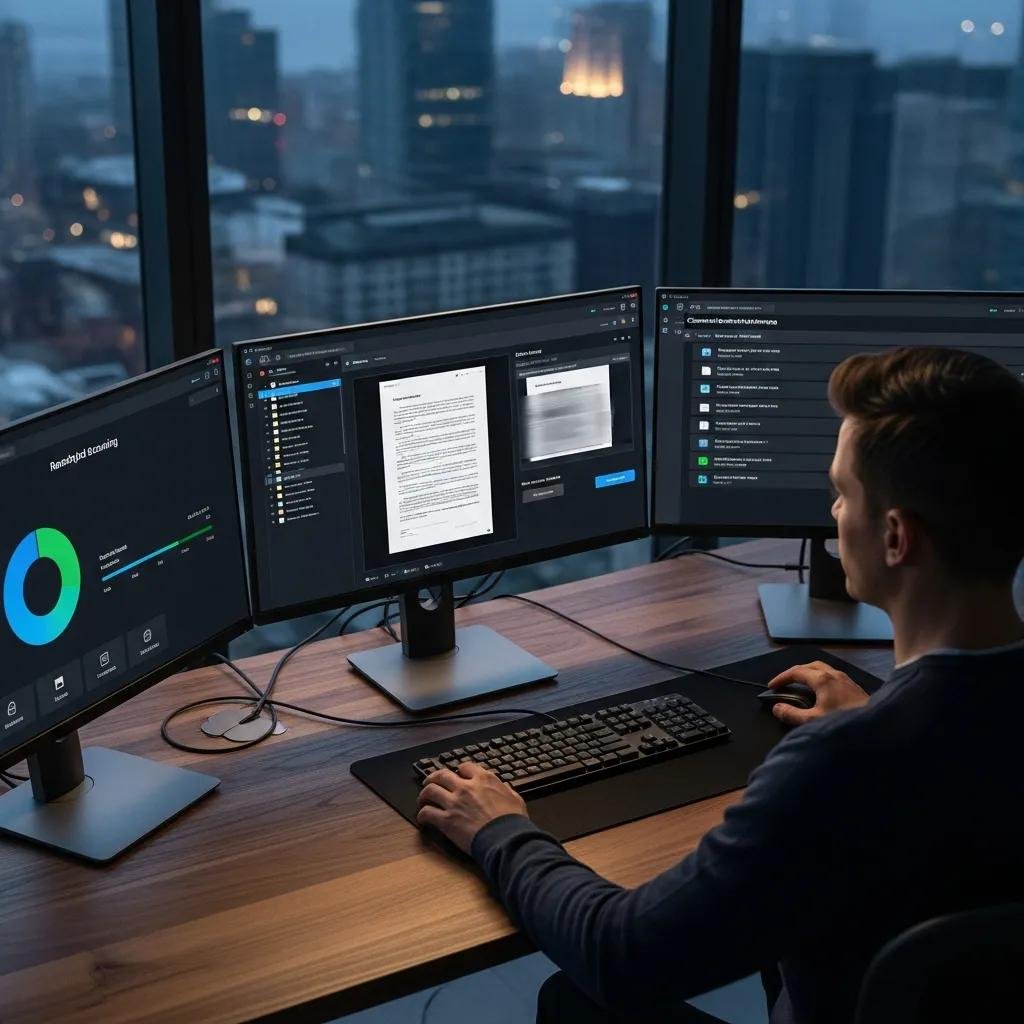
Choosing remote-capable recovery tools requires evaluating remote scanning support, preview capability, and the ability to recover files to an alternate network location to avoid overwriting. Effective software lets a remote operator perform read-only scans, preview recoverable items like deleted photos, and export selected files to a safe path while maintaining a secure session. Note that SSDs and systems with TRIM or aggressive cloud sync reduce recovery odds, so software selection matters less when underlying storage semantics have already removed file data.
Consider these feature priorities when selecting a tool remotely.
- Remote scanning and read-only modes: Prevent accidental writes during analysis.
- File preview and selective restore: Identify important files before full recovery.
- Cross-filesystem support: NTFS, FAT, exFAT, APFS, and common NAS filesystems increase coverage.
- Recovery-to-remote-location: Avoid restoring to the same drive to prevent overwrites.
Below is a compact comparison of representative tools and best-use scenarios for remote undeletion.
| Software | Key Feature(s) | Best Use Case |
|---|---|---|
| Recuva | Lightweight preview, simple recovery | Quick recoveries on remote Windows PCs |
| Disk Drill | Deep scan, file-type filters, preview | Cross-platform recovery with selective restores |
| EaseUS | Remote session friendly, recovery-to-network | Complex file systems and large recoveries |
These comparisons help prioritize tools that support remote access, selective preview, and safe recovery targets.
Which Features Should You Look for in Remote Data Recovery Software?
Remote recovery tools must support secure remote sessions, read-only scanning to prevent overwrites, robust file-type recognition, and a reliable preview so you can confirm recoverable files before restoring. Secure connection support and session stability ensure scans complete without interruption, and file filters speed up locating deleted photos or documents. Recovery-to-alternate locations and export capabilities prevent restoring over remaining data, which is critical in remote scenarios. Choosing software with comprehensive filesystem support and preview saves time and reduces the chance of a failed attempt.
These feature priorities inform the next subsection which covers platform-specific usage.
How to Use Remote Recovery Software for Windows and Mac Systems?
For Windows, mount the target volume read-only when possible, run a remote-capable scanner from an admin session, and recover files to a different network share or external volume to avoid overwriting. On macOS, check APFS snapshots and Time Machine first; if using recovery tools, ensure you have full-disk access permissions and prefer export-to-network workflows. In both systems, verify recovered files immediately and preserve logs of the recovery session for auditability. Being deliberate about permissions and target recovery location minimizes risk and speeds verification.
These platform notes lead into deciding when to escalate to a professional service.
When Should You Choose Professional Remote Data Recovery Services?
Choose professional remote data recovery services when DIY attempts fail, the data has high value, or the server/RAID complexity exceeds available tools; professionals can execute advanced logical recovery workflows without shipping hardware in many cases. Logical damage—deleted, corrupted, or overwritten files—can often be addressed remotely, while physical failures (drive electronics, head crash) usually require in-lab intervention. Escalation signs include failed scans, partial restores with missing metadata, RAID metadata corruption, or business-critical files that must be recovered with forensic care.
Use this simple decision checklist to triage escalation.
- Is the data high business value? If yes, prefer a professional to minimize risk.
- Did DIY scans fail or only partially recover files? If yes, escalate to avoid further damage.
- Is the storage a complex RAID or enterprise NAS? If yes, consult professionals for metadata-aware recovery.
Below is a triage table to help decide when to involve pros.
| Problem Complexity | DIY Feasible? | Recommended Next Step |
|---|---|---|
| Simple delete on PC | Yes | DIY restore or tool-based remote scan |
| Server shadow-copy missing | Maybe | Check backups; run professional remote scan |
| RAID metadata corruption | No | Engage professional remote/onsite recovery |
This triage helps you choose between continued DIY, remote professional intervention, or physical lab work.
What Is mcHelper.com's Secure Remote Data Recovery Process?
mcHelper.com provides a remote data recovery service that begins with a consultation and secure remote connection to diagnose logical data loss, offering 24/7 availability for urgent cases. During a secure session the technician assesses the storage type, examines trash and previous versions, and runs controlled read-only scans to identify recoverable files without requiring you to ship hardware. The process emphasizes secure remote connections and comprehensive support for issues ranging from virus infections to full data recovery, and adheres to a “No Fix – No Fee” promise so you only pay if recovery succeeds. Verification follows recovery so you can confirm file integrity before concluding the engagement.
This description shows how a remote provider can resolve many logical recoveries without physical access.
How Does Remote NAS and Server File Recovery Work?
Remote NAS and server recovery typically uses admin web consoles, SSH, or vendor management interfaces to access snapshots, logs, and metadata, enabling logical restores of files or folders when hardware is healthy. For RAID or metadata corruption, technicians may reconstruct RAID maps remotely and export recoverable data to a safe location, but persistent hardware faults will still require in-lab repair. Remote approaches often preserve chain-of-custody and can leverage existing snapshots or backups to minimize data loss and downtime. Knowing these constraints helps you decide if a remote recovery attempt is appropriate or if shipments for physical repair are unavoidable.