
How to Fix Task Manager Not Responding in Windows: Effective Solutions for Unresponsive Task Manager Issues
Task Manager is Windows’ built-in utility for viewing running apps, processes, and system performance; when Task Manager is not responding, users lose a primary tool for diagnosing hangs, killing runaway processes, and checking CPU or memory pressure. Symptoms include a frozen Task Manager window, error messages stating “Task Manager not responding,” or inability to open it via Ctrl+Alt+Del on Windows 10 or Windows 11. This guide walks through quick checks, safe immediate fixes, and advanced repairs—covering restarts of Explorer, alternate launch methods, SFC/DISM repairs, and re-enabling Task Manager via Registry or Group Policy. If you prefer professional assistance rather than performing command-line repairs or malware cleanup yourself, mcHelper.com offers remote computer repair and tech support for Windows (including virus and spyware removal), available 24/7 with a No Fix – No Fee promise for users in the USA. Read on to diagnose causes, attempt priority quick fixes, and follow step-by-step repair commands that restore Task Manager functionality.
Why Is Task Manager Not Responding in Windows?
Task Manager can fail to respond for several root reasons, typically tied to system resource exhaustion, corrupted system files, disabled settings, malware, or Windows Explorer issues that break the shell. Resource exhaustion occurs when CPU or RAM are saturated by processes, which prevents the UI from repainting or accepting input; checking resource use is the first diagnostic step. Corrupted system files or Windows component store errors can break system utilities like Task Manager, so integrity checks are a logical next action. Malware or third-party security software can intentionally disable Task Manager to hide processes; detecting that possibility often requires safe-mode scans or offline tools. These cause categories point to two tracks: immediate UI recovery (restart Explorer, alternate launches) and deeper repair (SFC/DISM, registry or policy changes), which we’ll address next.
What Common Causes Lead to Task Manager Freezing or Not Opening?
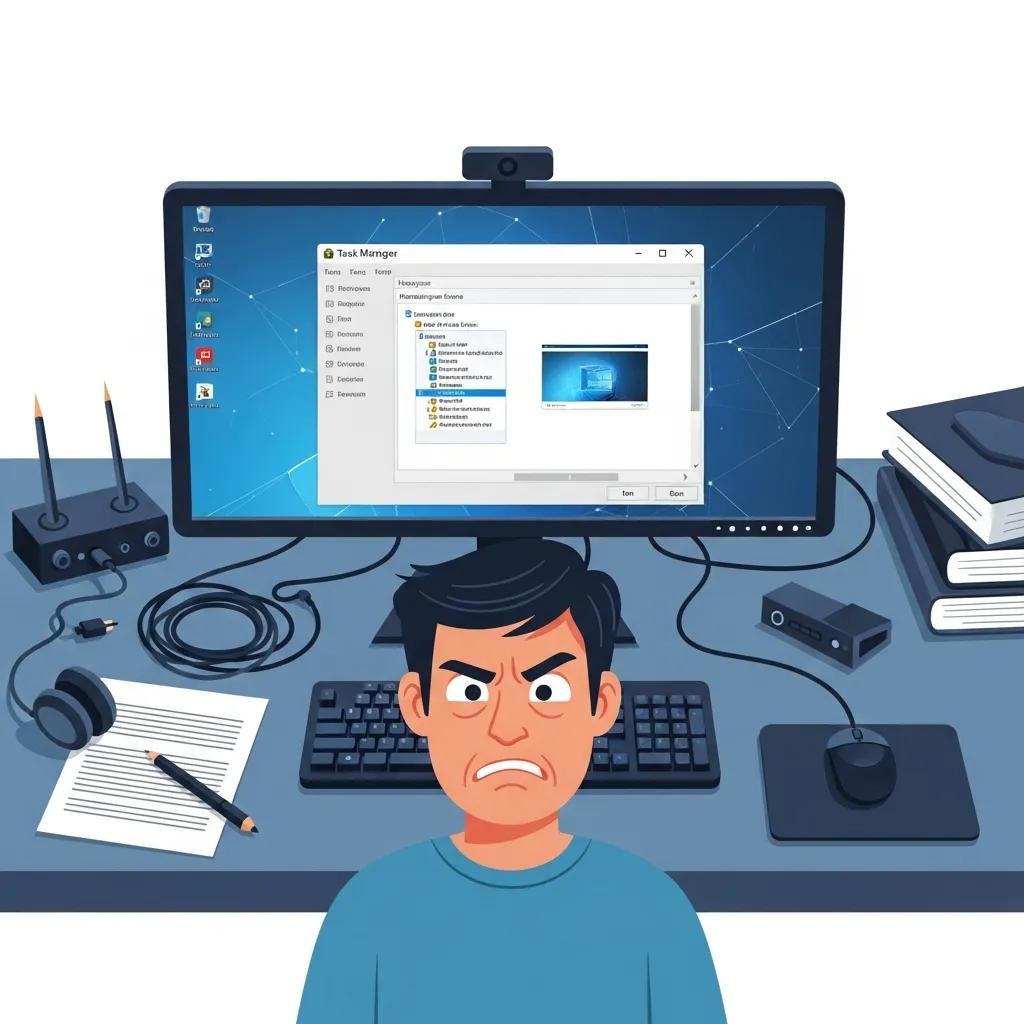
Corrupted system files often manifest as missing or misbehaving system DLLs and can prevent the Task Manager executable from launching correctly; a successful integrity check commonly reveals these issues. Resource exhaustion from high CPU, disk, or memory usage will make Task Manager appear frozen because the system cannot refresh its interface fast enough; identifying a runaway process helps prioritize termination. Recent software installs or updates and driver conflicts can also break Process Explorer hooks or interfere with Task Manager, and uninstalling or rolling back recent changes is a valid diagnostic step. These checks naturally lead into methods for safely regaining control of the desktop environment, such as restarting Windows Explorer or using alternate Task Manager launch methods.
Can Malware or Software Conflicts Disable Task Manager?
Certain malware families and aggressive security tools can disable Task Manager by setting registry keys or Group Policy entries to hide the utility, which helps malware persist unnoticed; noticing unexpected policy changes or disabled UI elements indicates possible tampering. Safe-mode scanning with Windows Defender or a reputable antivirus reduces risk, because safe mode loads minimal drivers and services and often allows scans to detect and remove threats blocking Task Manager. If malware removal is necessary, a full offline scan or professional removal may be required to restore system integrity and undo policy or registry modifications. After malware concerns are addressed, integrity scans and enabling Task Manager via registry or Group Policy ensure the utility is restored and protected.
What Are Quick Fixes to Resolve a Frozen or Unresponsive Task Manager?
Start with these low-risk, high-impact steps to regain control of Task Manager or the desktop shell; they resolve most common cases quickly and safely. If Task Manager itself is unresponsive, the fastest sequence is to restart Windows Explorer, try alternate Task Manager launch methods, or perform a clean reboot when convenient. Below is an ordered quick-action list you can try immediately to restore functionality without advanced tools.
- Use Ctrl+Shift+Esc: Opens Task Manager directly and bypasses some UI paths that fail with Ctrl+Alt+Del.
- Right-click the taskbar: Choose Task Manager to open it from the shell menu if shortcuts don’t work.
- Run dialog: Press Windows+R and type taskmgr then Enter to launch the executable directly.
These steps are prioritized because they’re safe and require no elevated commands; if they fail, restart Windows Explorer or proceed to system repair commands described in later sections.
Different quick fixes suit different symptoms; the table below helps you select the right immediate action and shows one-line commands for rapid execution.
Intro to quick-fix table: This table summarizes quick recovery actions, when to use them, and one-line commands or steps to run.
| Action | When to use | How to run (one-line) |
|---|---|---|
| Restart Windows Explorer | UI unresponsive but system responsive | taskkill /f /im explorer.exe & start explorer.exe |
| Direct Task Manager launch | Short freezes or shortcut failures | Press Ctrl+Shift+Esc or Windows+R → taskmgr |
| Reboot as fallback | Repeated unresponsiveness or after kills | Open Start menu → Restart or use shutdown /r /t 0 |
After trying these actions, if Task Manager still fails, proceed to the restart-Explorer methods and alternate launch options to regain process control.
How to Restart Windows Explorer to Fix Task Manager Issues?
Restarting Windows Explorer resets the desktop shell, taskbar, and many UI components, which often restores a non-responding Task Manager if the issue is shell-related. If Task Manager is usable, select Restart on the Windows Explorer process from the Processes tab; right-click and choose Restart to safely refresh the shell without a full reboot. If Task Manager is frozen or inaccessible, use an elevated Command Prompt or PowerShell from the Run dialog and run: to forcibly terminate and restart Explorer. Restarting Explorer clears many shell-level locks and allows Task Manager to relaunch, but if system files are corrupt or malware is present, Explorer restarts may only provide a temporary fix and deeper repairs will be necessary.
What Alternative Methods Can Open Task Manager When Ctrl+Alt+Del Fails?
When Ctrl+Alt+Del does not work, alternate keyboard and command-line approaches offer reliable fallbacks to open Task Manager or control processes remotely. Use Ctrl+Shift+Esc for a direct Task Manager open, or press Windows+R and run ; both bypass the secure attention sequence in some failure modes. If local methods fail and remote access is available, remote tools can let a trusted technician run repairs or restart services on your behalf; this is useful when the local UI is severely degraded. These alternative methods bridge the gap to more advanced troubleshooting like SFC/DISM scans or registry fixes when immediate UI recovery isn’t sufficient.
How to Repair System Files and Settings to Restore Task Manager Functionality?

When quick fixes don’t resolve the issue, repairing system integrity and checking configuration policies will often restore Task Manager control; start with SFC and DISM, then inspect policy and registry settings. SFC checks protected system files and attempts repairs, while DISM can restore the component store used for those repairs; running them in sequence is the accepted approach for corrupt-file scenarios. If Task Manager is disabled by configuration, the registry key or Group Policy entries under Ctrl+Alt+Del Options can be inspected and reverted after exporting keys for backup. These steps require administrative privileges and care—if you’re uncomfortable editing the registry or using command-line repair tools, professional remote assistance is a safe option to avoid accidental system damage.
| Command | Purpose | Expected outcome / Time |
|---|---|---|
| sfc /scannow | Scans and repairs protected system files | Finds and repairs corrupted files; may take 10–30 minutes |
| DISM /Online /Cleanup-image /Restorehealth | Repairs Windows component store used by SFC | Fixes deeper component issues; may take 15–60 minutes |
| chkdsk /f (on reboot) | Fixes disk errors that affect system integrity | Repairs filesystem issues on next restart; time varies by disk size |
Run first; if it reports unfixable corruptions, follow with the DISM RestoreHealth command and then rerun SFC. After repairs, reboot and verify Task Manager launches normally.
If registry or Group Policy changes are required to re-enable Task Manager, export the affected registry key before editing and use Group Policy Editor to reset “Remove Task Manager” settings under User Configuration → Administrative Templates → System → Ctrl+Alt+Del Options. Editing these settings safely restores functionality but carries risk if the wrong keys are modified; for users who prefer not to edit the registry or who suspect persistent malware, seeking remote professional help to perform SFC/DISM and policy edits can prevent accidental misconfiguration and ensure a secure outcome.
When Should You Seek Professional Remote Support for Task Manager Problems?
Escalate to professional remote support when malware removal is necessary, repeated integrity repairs fail, registry or Group Policy edits are uncomfortable, or when system instability prevents reliable troubleshooting. Indicators that DIY is insufficient include persistent “Task Manager not responding” after SFC/DISM, evidence of policy-based disabling, inability to boot to safe mode, or signs of boot-level malware. Remote repair services provide expert diagnosis with tools that can run offline scans, safely edit policies, and restore system files while reducing the risk of data loss. Comparing time, risk, and complexity helps you decide whether to continue DIY steps or request professional assistance.
- Persistent failures after repairs: If SFC/DISM do not fix the issue, professional diagnosis is recommended.
- Malware or rootkit indicators: Unexplained policy changes or hidden processes warrant expert removal.
- Uncomfortable with registry edits: If editing keys or policies feels risky, a technician reduces the chance of misconfiguration.
These decision points guide whether to continue self-repair or to engage remote experts for safe, efficient resolution.
How mcHelper.com Provides Expert Remote Computer Repair for Task Manager Issues?
mcHelper.com offers remote computer repair and tech support for Windows users, focusing on services relevant to Task Manager problems such as remote troubleshooting, virus and spyware removal, and system optimization to resolve resource-related issues. Their remote model allows technicians to perform diagnostics, run SFC/DISM commands, and revert policy or registry changes on behalf of users—delivering convenience without requiring in-person visits. mcHelper.com advertises 24/7 availability and a No Fix – No Fee promise, which can reduce financial risk when complex fixes or malware removal are required. For users in the USA who prefer a handled, remote approach to restore Task Manager functionality, mcHelper.com’s remote services present a practical option.
What Are the Benefits of Professional Tech Support Over DIY Fixes?
Professional support shortens time-to-resolution, reduces the risk of accidental misconfiguration, and provides expertise for complex malware removal or component-store corruption that DIY attempts can miss. Experienced technicians can run deep offline scans, execute DISM and SFC in the appropriate order, and safely change Group Policy or registry entries while preserving backups and system restore points. Remote support also offers convenience and reduces downtime, since a technician can work directly on your machine and provide follow-up to confirm Task Manager stability. The No Fix – No Fee policy and round-the-clock availability provide additional assurance for users considering paid remote assistance.
- Faster diagnosis: Remote tools and experience speed up root-cause identification.
- Safer repairs: Professionals reduce the risk of harmful registry edits or incomplete malware removal.
- Peace of mind: Service guarantees and follow-up checks help ensure the problem stays fixed.
These advantages explain why, after exhausting safe DIY options, remote professional repair is often the most efficient and secure path to restore Task Manager and overall system health.