
Fixing Mac Wi-Fi Not Connecting: Remote Troubleshooting & Connectivity Solutions
Many Mac users experience intermittent Wi-Fi or total loss of network connectivity, which interrupts work, streaming, and backups. Remote troubleshooting can quickly isolate whether the fault lies in macOS, a router, ISP, or hardware, and it often resolves issues without an in-person visit. This guide shows practical remote-friendly diagnostics, step-by-step fixes, and clear escalation criteria so you can restore internet on a MacBook, iMac, or Mac mini. You will learn common causes, specific software and router checks, Wireless Diagnostics use, when to reset NVRAM/PRAM or SMC, and how remote assistance works. The article also explains what remote services can do for persistent problems and how preventive remote maintenance reduces future interruptions. Keywords covered include mac wifi problems, fix mac network, internet not working mac, macbook pro wifi slow, and remote mac network fix.
Why Is My Mac Wi-Fi Not Connecting? Common Causes Explained
Mac Wi-Fi failures usually stem from software conflicts, router or network misconfiguration, ISP issues, or hardware faults in the Wi-Fi adapter. Identifying the class of problem narrows the repair path and reduces wasted time during remote support sessions. Quick checks reveal whether the Mac loses all networks, only one SSID, or only certain services, which points to authentication, DNS, or radio interference causes. The right initial tests speed resolution and inform whether to run Wireless Diagnostics or reset network components.
Common top causes and quick remedies:
- Router firmware or configuration errors: reboot router and check SSID settings.
- DHCP/DNS issues and IP conflicts: renew DHCP lease and test alternate DNS.
- macOS software bugs or keychain authentication problems: remove network and reconnect.
- Local interference or channel congestion: switch 5 GHz/2.4 GHz bands and relocate router.
These core causes guide the next checks and the choice of remote tools to collect diagnostic logs.
Different causes map to observable symptoms in the field. The table below helps you match likely causes to typical indicators and quick values to test.
| Component | Typical Problem | Symptom / Quick Test |
|---|---|---|
| Router firmware | Outdated or buggy firmware | Intermittent disconnects across devices |
| DHCP server | IP conflicts / lease issues | Same IP shown on multiple devices |
| DNS | Slow name resolution | Websites fail but ping IPs succeed |
| macOS Network plist | Corrupted saved networks | Network preferences not saving SSID |
| Wi-Fi adapter (hardware) | Antenna or chipset fault | Greyed out Wi-Fi or no networks found |
This quick mapping speeds decision making for remote diagnostics and informs whether to escalate to hardware checks.
What Software Glitches Affect Mac Wi-Fi Connectivity?
Software-level issues often block Wi-Fi even when the router works fine. Recent macOS updates can introduce driver regressions or change network stack behavior, causing disconnections or slow throughput. Corrupted network plist files, keychain entries for Wi-Fi passwords, or third-party VPN and firewall apps can prevent authentication or route traffic incorrectly. To check software causes, inspect the macOS update history, reboot in Safe Mode to test connectivity, and remove the affected SSID from Network Preferences before reconnecting. Capturing Wireless Diagnostics reports and console logs during a drop helps remote technicians tie the behavior to a software trigger and recommend targeted resets or uninstalls.
How Do Router and Network Settings Impact Mac Wi-Fi?
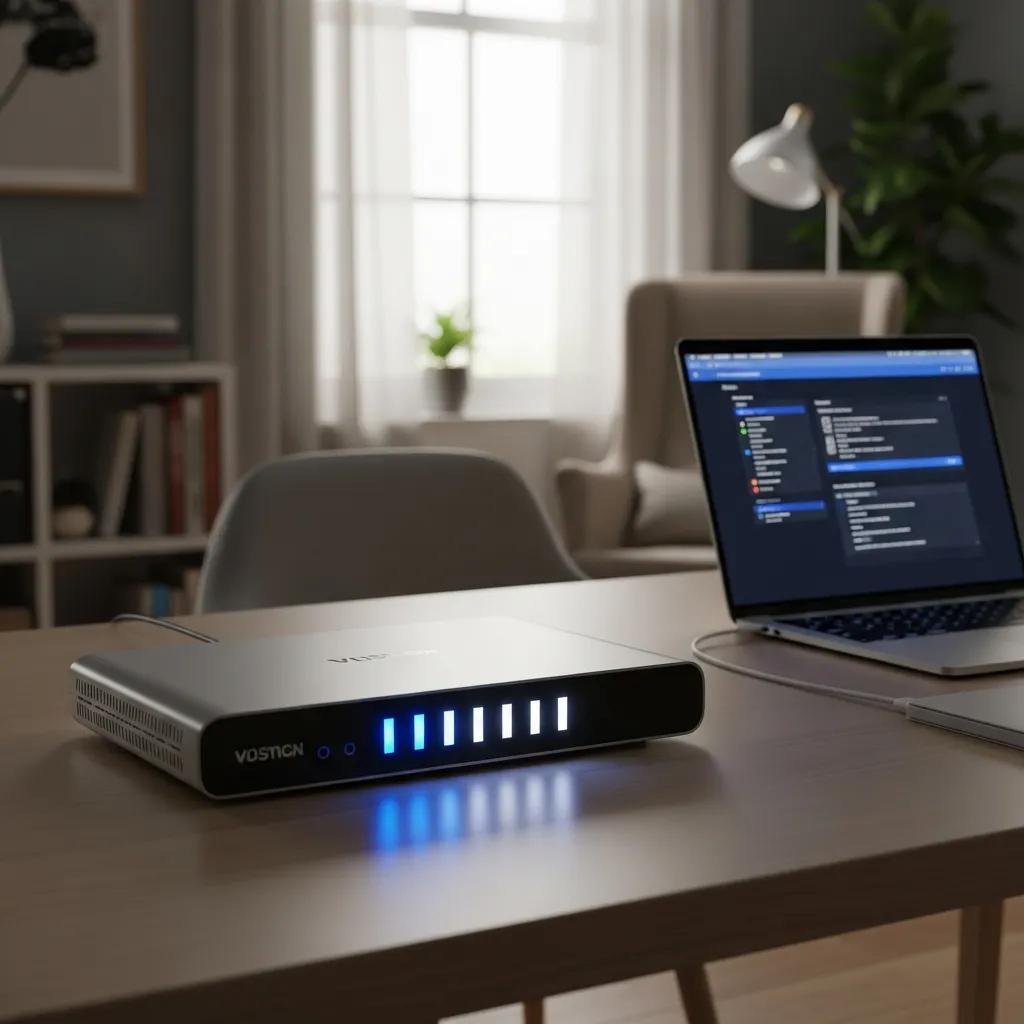
Router and network settings determine the radio environment and address allocation that a Mac depends on. Incorrect security protocols, crowded Wi-Fi channels, mismatched SSID band settings, or old router firmware can cause drops, slow speeds, or inability to join the network. Remote users can reboot the router, toggle between 2.4 GHz and 5 GHz, and verify SSID and password with another device. Where possible, check router firmware version and DHCP settings; if the router supports guest or isolated networks, ensure the Mac is on the primary LAN. Remote advisers can guide users through these checks or request screenshots of router pages to diagnose DHCP and DNS issues.
How Can I Fix Mac Wi-Fi Dropping Connection Remotely?
Remote fixes focus on fast isolation, log collection, and targeted resets that minimize data loss. A technician first confirms whether the problem is device-specific or network-wide, then instructs simple reboots and network renewals before deeper resets. Wireless Diagnostics and system logs reveal IPv4/IPv6 behavior, roaming events, and authentication errors, enabling accurate remote remediation. When hardware faults are suspected, remote diagnosis still helps determine whether an in-person visit is needed.
Follow these step-by-step remote troubleshooting actions:
- Restart devices: reboot the Mac and the router to clear transient states.
- Renew and test: renew DHCP lease in Network Preferences and test with a different Wi-Fi network.
- Run Wireless Diagnostics: collect the diagnostics report and share its identifier with the technician.
- Reset caches: remove network plist files, flush DNS, and, if needed, reset NVRAM/PRAM or SMC per decision tree.
These steps produce actionable outputs for remote experts and often restore stable connectivity within minutes to an hour, depending on complexity.
| Step / Tool | What it Does | Expected Result |
|---|---|---|
| Restart Mac & Router | Clears software and router state | Fixes transient disconnects quickly |
| Renew DHCP Lease | Requests new IP assignment | Resolves IP conflicts and access loss |
| Wireless Diagnostics | Logs radio and auth events | Identifies roaming and auth errors |
| Reset NVRAM/PRAM | Clears persistent network caches | Fixes low-level hardware config issues |
What Are Step-by-Step Remote Troubleshooting Methods?
Remote troubleshooting relies on clear, repeatable steps users can run under guidance. Start with isolation: power-cycle both Mac and router, then confirm whether other devices have internet access. Next, check Network Preferences for correct location settings and renew the DHCP lease. Run Wireless Diagnostics (hold Option and click Wi-Fi menu) and save the generated report for analysis. If drops persist, capture Console logs during a disconnect and test the Mac on a different network, such as a mobile hotspot, to separate ISP/router issues from device faults.
When Should I Reset Mac Network Settings or Use Wireless Diagnostics?
Use Wireless Diagnostics when disconnections are intermittent or when you need detailed logs for a remote technician. Choose network resets—removing saved networks and deleting related plist files—when a single Mac repeatedly fails to authenticate or retains incorrect settings. Reserve NVRAM/PRAM and SMC resets for hardware-level anomalies such as a greyed-out Wi-Fi icon or persistent adapter failures. Always back up or note saved networks and passwords before resets, and document the symptom timeline to guide which reset is appropriate.
What Remote Services Does mcHelper.com Offer for Mac Wi-Fi Issues?

mcHelper.com provides remote diagnosis and repair tailored to Mac network problems, combining secure remote access, diagnostic log analysis, and guided router checks. Their service model emphasizes convenience and security with 24/7 availability and a ‘no fix – no fee’ promise that reduces risk for users who prefer professional help. Remote sessions include collection of Wireless Diagnostics reports, targeted macOS fixes, router configuration guidance, and subscription options for ongoing monitoring and optimization. Secure consent-based sessions let technicians reproduce issues and apply fixes faster than back-and-forth instructions.
| Service Type | Included Actions | Typical Benefit/Result |
|---|---|---|
| Remote Diagnosis | Log collection, Wireless Diagnostics review | Rapid identification of root cause |
| Configuration & Repair | Network plist cleanup, DNS/DHCP fixes | Restores secure, stable connections |
| Router Guidance | Firmware checks, channel optimization | Reduces interference and congestion |
| Subscription Support | Ongoing monitoring and updates | Prevents recurring connectivity issues |
How Does Secure Remote Access Enable Effective Mac Wi-Fi Repair?
Secure remote access lets technicians collect logs and run targeted fixes while the user supervises, which accelerates diagnosis. Sessions require explicit user consent and use reputable remote tools with session logging to preserve privacy. Technicians can safely inspect Network Preferences, run Wireless Diagnostics, and, if authorized, apply resets without exposing user data. This workflow shortens time-to-fix and avoids unnecessary hardware replacement by exposing software and configuration causes quickly.
What Are the Benefits of 24/7 Expert Remote Mac Network Support?
Around-the-clock remote support reduces downtime and avoids scheduling delays that come with in-person visits. Immediate access to specialists means critical work or streaming services are restored faster, often the same day. Subscriptions provide ongoing optimization so small issues are caught before they escalate into major outages. For users with urgent connectivity needs, this model offers predictable, efficient remediation with clear accountability.
How Can I Prevent Mac Wi-Fi Problems with Remote Maintenance?
Proactive maintenance reduces recurring macOS Wi-Fi problems by keeping software current and network settings healthy. Regularly update macOS and router firmware, clear unused saved networks, and monitor DNS performance to avoid slow name resolution. Use periodic remote health checks to collect Wireless Diagnostics snapshots and verify router channel distributions. These measures maintain signal quality and reduce authentication failures over time.
Preventive checklist to keep Mac Wi-Fi stable:
- Keep macOS and router firmware updated to latest stable releases.
- Remove old or duplicate saved networks from Network Preferences.
- Use reliable DNS providers and test latency periodically.
- Schedule periodic remote health checks and diagnostic reports.
These practices cut the chance of sudden drops and simplify any future remote diagnosis. For users who prefer hands-off maintenance, mcHelper.com’s subscription support offers scheduled remote checks and optimization as an optional complement to these best practices.